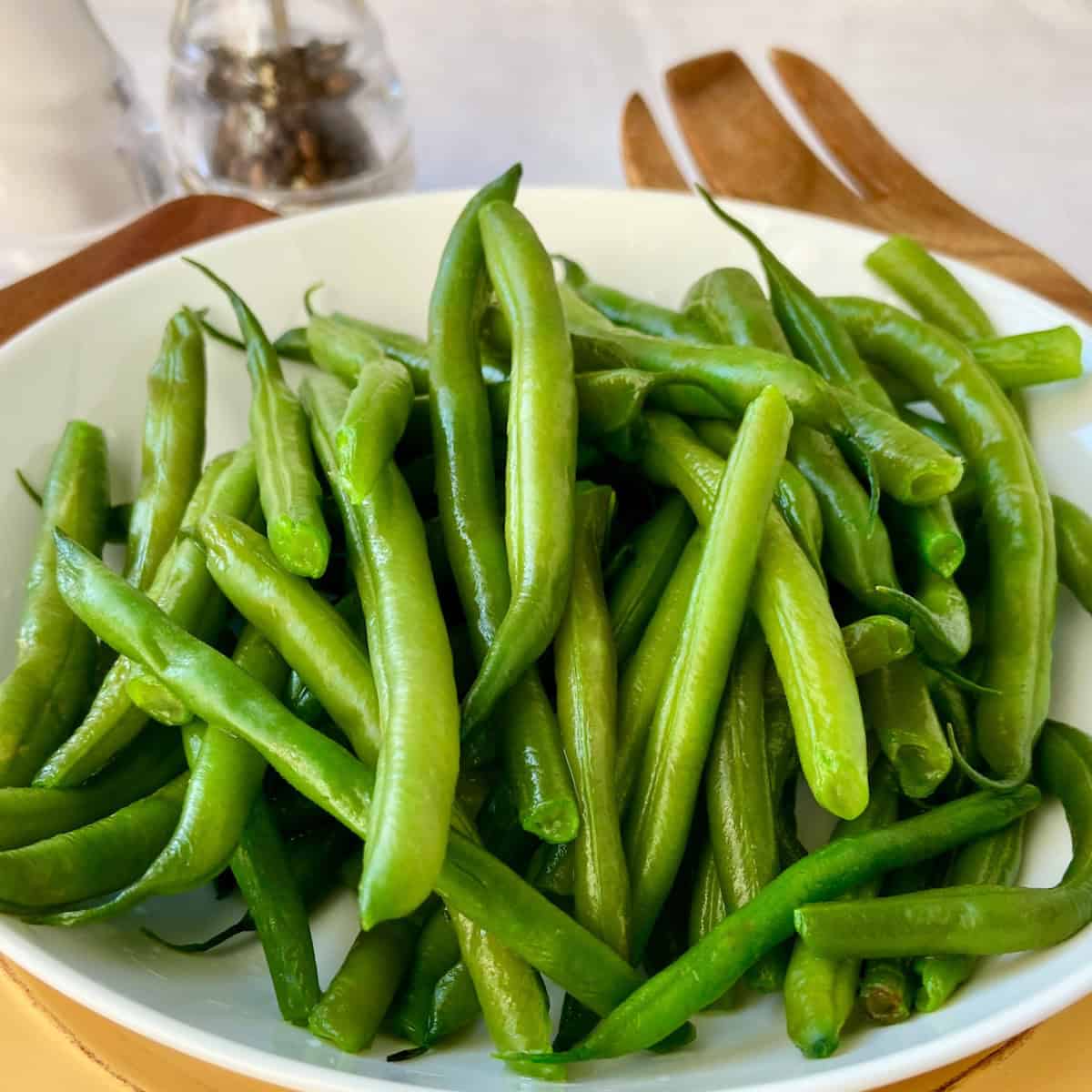
Perfectly Boiled Green Beans: Secrets for Vibrant Color & Texture
Boiling green beans on the stove might seem like a straightforward task, but mastering the technique unlocks a world of vibrant color, crisp-tender texture, and enhanced flavor. Far from the mushy, dull green beans of yesteryear, a perfectly executed boil transforms this humble vegetable into a star side dish. Whether you're a seasoned chef or just starting your culinary journey, understanding the nuances of how to boil green beans is an indispensable skill. This comprehensive guide will walk you through every step, ensuring your green beans are always a bright, delicious success.
Why Boiling is a Great Method for Green Beans
Boiling is one of the healthiest and most efficient ways to cook green beans. It requires minimal added fats and helps preserve the beans' natural goodness. When done correctly, it highlights their fresh, slightly sweet flavor and satisfying snap. Moreover, it's incredibly versatile, allowing for endless seasoning and pairing possibilities once cooked.
The Foundation: Choosing & Preparing Your Green Beans
The journey to perfect boiled green beans begins long before the water even heats up. Quality ingredients and proper preparation are key.
Selecting the Best Green Beans
- Fresh Green Beans: For the absolute best results, opt for fresh green beans. Look for ones with a bright green color and a firm, snappy texture. They should break rather than bend when tested. Avoid beans with brown spots, limpness, or large, bulging seeds, as these indicate older, potentially mealy beans. Thinner beans often offer a sweeter, more tender experience.
- Frozen Green Beans: While fresh is often preferred, frozen green beans are an excellent and convenient alternative, especially when fresh options aren't available. They are typically blanched and flash-frozen at peak freshness, locking in nutrients and flavor. No need to thaw them before boiling; simply adjust the cooking time slightly. For more on this, check out our guide on Boil Green Beans Fast: Fresh vs. Frozen, No More Mushy Results.
Preparing Fresh Green Beans for Boiling
- Rinse Thoroughly: Place your fresh green beans in a colander and rinse them under cold running water. This removes any dirt, debris, or residues, ensuring maximum freshness and cleanliness.
- Trim the Ends: The ends of green beans, particularly the stem end, can be tough and fibrous. You can either snap them off by hand (they should break cleanly if fresh) or use a sharp knife to cut them away. Some people trim both ends, though the "tail" end is generally softer.
- Decide on Length: You can leave the green beans whole for an elegant presentation or cut them into smaller, bite-sized pieces (e.g., 1-2 inches long). If cutting, aim for pieces of similar length to ensure even cooking.
The Boiling Method: Step-by-Step for Perfection
Here’s the precise method for how to boil green beans to achieve that coveted vibrant color and tender-crisp bite.
- Gather Your Tools & Ingredients: You'll need your prepared green beans (fresh or frozen), a large pot, water, salt, a colander, and, optionally but highly recommended, a bowl of ice water.
- Fill the Pot with Water: Use a large pot and fill it generously with water – enough to fully submerge the green beans. Using ample water is crucial; it helps maintain a consistent boiling temperature when the beans are added, preventing them from steaming instead of boiling, which can lead to duller color and uneven cooking.
- Bring Water to a Rolling Boil: Place the pot on the stove over high heat. Covering the pot with a lid will help the water reach a rolling boil more quickly, saving time and energy.
- Season the Water with Salt: Once the water is at a vigorous rolling boil, add 1-2 teaspoons of salt per quart (or liter) of water. Salt is not just for flavor; it plays a critical role in preserving the green beans' vibrant color. It helps stabilize the chlorophyll, preventing it from leaching out and dulling the beans.
- Add the Green Beans: Carefully place the prepared green beans into the boiling salted water. Use a spoon or tongs to ensure they are fully submerged.
- Boil Uncovered: This is a critical step! Keep the pot uncovered during the boiling process. Covering the pot traps steam and heat, which can overcook the beans quickly and cause them to lose their bright green color.
- Monitor Cooking Time:
- Fresh Green Beans: Typically, fresh green beans take 4 to 6 minutes to boil until they are tender-crisp. They should still have a slight snap when bitten, not be soft or mushy.
- Frozen Green Beans: Frozen green beans usually require slightly longer, around 5 to 7 minutes, as the water first needs to melt the ice crystals.
The goal is 'al dente' – cooked through but with a pleasant firmness.
- Test for Doneness: Around the minimum suggested time, carefully remove one green bean from the pot using tongs or a slotted spoon. Test it by inserting a fork; it should pierce easily but offer a slight resistance. Even better, taste it! It should be tender but still have a slight crispness.
- Drain Immediately: As soon as the green beans reach your desired tenderness, remove them from the heat. Promptly drain them using a colander or strainer to stop the cooking process.
The Game Changer: The Ice Bath (Blanching & Shocking)
For truly vibrant green beans that maintain their crisp texture, an ice bath is a non-negotiable step. This technique, also known as "shocking" or "blanching and shocking," works wonders.
Why an Ice Bath?
When you immediately plunge hot green beans into ice water, it rapidly halts the cooking process. This prevents residual heat from continuing to cook the beans, which would otherwise lead to an overcooked, mushy texture and a dull, olive-green color. The sudden temperature drop locks in the bright green chlorophyll, ensuring your beans look as good as they taste.
How to Prepare & Execute the Ice Bath:
- Prepare Ahead: Before you even start boiling, have a large bowl filled with ice water ready on standby. The colder, the better!
- Submerge: Immediately after draining the hot green beans, transfer them into the ice water bath. Ensure they are fully submerged.
- Chill Time: Let the beans sit in the ice water for 2-3 minutes. You'll notice their color intensify almost instantly.
- Final Drain: Once chilled, drain the green beans again thoroughly in the colander. Gently pat them dry with a clean kitchen towel if you plan to sauté them or want to ensure sauces adhere well.
This step is particularly important if you are preparing the beans in advance or if you plan to serve them cold in salads. If you're serving them immediately and don't mind a slightly less vibrant color, you can skip the ice bath, but for truly restaurant-quality results, don't miss this step!
Expert Tips & Common Pitfalls to Avoid
Achieving perfectly boiled green beans is about understanding the small details. Here are some pro tips and mistakes to steer clear of.
Tips for Success:
- Always Use Fresh Water: Each time you boil green beans, use fresh, cold water. Reusing water can lead to less vibrant results.
- Consistent Size Matters: If cutting your beans, try to make them all roughly the same length. This ensures they cook evenly, preventing some pieces from being undercooked while others are mushy.
- Don't Overcrowd the Pot: Boiling too many green beans at once can drastically lower the water's temperature, leading to slow, uneven cooking and steaming. If you have a large quantity, boil them in batches.
- Season After Boiling: While salting the water is crucial, add other flavor enhancers after the beans are boiled and drained. A simple pat of butter, a drizzle of olive oil, a squeeze of fresh lemon juice, minced garlic, or a sprinkle of fresh herbs (like dill or parsley) can elevate their taste. Toasted slivered almonds or a dash of black pepper also make wonderful additions.
- For a deeper dive into boiling green beans like a pro, consult our ultimate guide: How to Boil Green Beans: The Ultimate Guide for Crisp, Vibrant Veggies.
Common Mistakes to Avoid:
- Using Too Little Water: This is a recipe for disaster, causing beans to steam, cook unevenly, and lose their crispness. Always use enough water to fully submerge them.
- Not Salting the Water: Bland green beans and dull color are the consequence of skipping this crucial step. Salt enhances flavor and helps maintain that gorgeous green.
- Overcooking the Beans: This is perhaps the most common mistake. Overcooked green beans become mushy, stringy, and lose their nutritional value and appeal. Always aim for tender-crisp.
- Skipping the Ice Bath: While optional if serving immediately, skipping the ice bath means the beans continue cooking from residual heat, leading to a softer texture and faded color over time.
- Covering the Pot During Boiling: As mentioned, this traps steam and heat, accelerating overcooking and causing a loss of vibrant color. Always boil uncovered.
- Mixing Fresh and Frozen: If you're cooking both, boil them separately. Their different starting temperatures and textures require slightly different cooking times for optimal results.
Conclusion
Mastering how to boil green beans is a fundamental cooking skill that yields impressive results. By paying attention to details like selecting fresh beans, using enough salted water, precise timing, and employing the transformative ice bath, you can consistently achieve green beans that are not only perfectly cooked and bursting with flavor but also strikingly vibrant in color. These simple techniques elevate an everyday vegetable into a delightful side dish, ready to complement any meal. So, grab your pot, embrace these secrets, and get ready to enjoy perfectly boiled green beans every time!
